
How Syracuse People Search Works
A sound Syracuse search begins with the fact already known. A full name works well in the Davis County owner roll, Utah court index, marriage index, business filings, and license records. An old street address points first to the parcel map because a parcel serial joins the assessor, recorder, and treasurer files. A family date or prior surname may lead instead to marriage, probate, cemetery, newspaper, or vital records. Each source proves a different link, so two records are safer than one.
Syracuse is not the Davis County seat. City Hall keeps municipal files, but Farmington holds most county land, marriage, tax, election, and district-court material. State systems add court cases, certificates, licenses, corporations, corrections, and archives. Use that three-level split to keep a search focused.
- Write down the person’s full name, prior names, likely date range, and any Syracuse address.
- Search the Davis property roll by owner or address, then save the parcel serial and mailing address.
- Check Utah court parties with name variants, a date range, and Davis County as the scope.
- Follow family links through marriage, probate, cemetery, newspaper, and historical certificate records.
- Send a focused request to the actual city, county, court, or state custodian when the online trail ends.
Note: The official voter tool is an authenticated self-check, not a casual name directory for other Syracuse residents.
Syracuse Records Cross into Farmington
Geography changes the search plan. Syracuse lies in western Davis County, while the county offices are in Farmington. The city recorder handles council actions, local administration, permits, code files, police reports, and municipal material. Davis County keeps the deeper ownership, tax, marriage, voter, and historical record trails. The Second District courthouse in Farmington handles general civil, felony, divorce, and probate cases that fall outside the Syracuse Justice Court’s limited role.
A Syracuse postal label does not by itself prove that Syracuse City is the right permit or police custodian. Confirm the parcel in the county map first. Regional records also follow Davis School District and state agencies, not a Syracuse-only system. A person can appear in several official layers without ever appearing in a single central directory.
Syracuse Records Offices by Role
The Davis County Recorder is the main land-record office for Syracuse. It indexes deeds, mortgages, liens, plats, ownership changes, and other recorded instruments. The County Clerk maintains marriage and election records. Syracuse City’s recorder receives written GRAMA requests for municipal files that are not posted. The full rules for copies, classifications, fees, and appeals belong with Syracuse public records access; the office cards below identify where a people search should go first.
Davis County Recorder
61 S. Main St., Suite 106
Farmington, UT 84025
801-451-3225
The Syracuse GRAMA request page shows the written route for records that are not online.
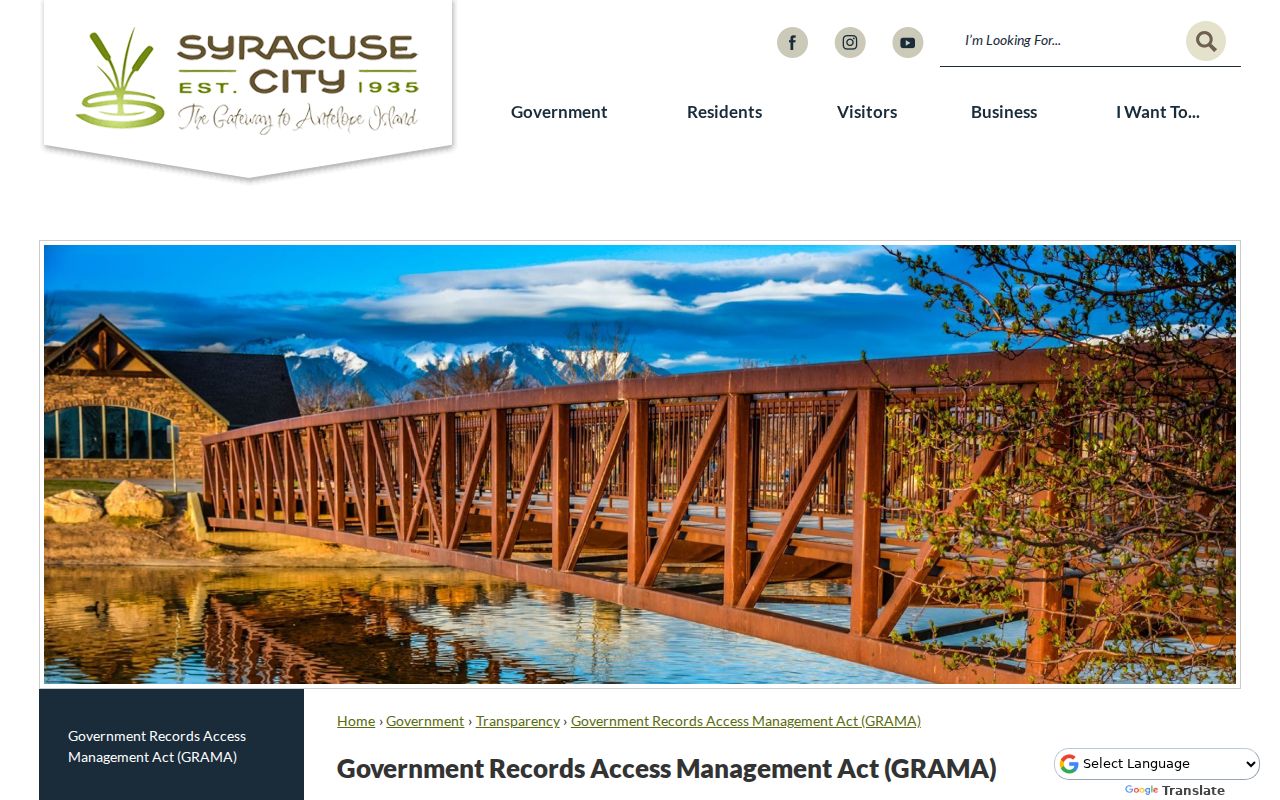
The request form is the fallback for dated council, permit, code, police, and administrative material. Describe the record, subject, address, and time span with enough detail for city staff to locate an existing file.
Syracuse Property Search by Name
Davis County Property Search 2.0 combines owner, address, parcel, tax, recorded-document, and map clues. Search a Syracuse name to find property tied to that owner, or start with the property address and save its serial number. Parcel detail can show situs, the physical site address, as well as the tax mailing address, ownership history, legal description, acreage, assessment values, and Primary or Secondary classification. The county says the data may be more than 24 hours old and is informational.
The Davis County property search displays the free map-based entry point used for Syracuse parcels.
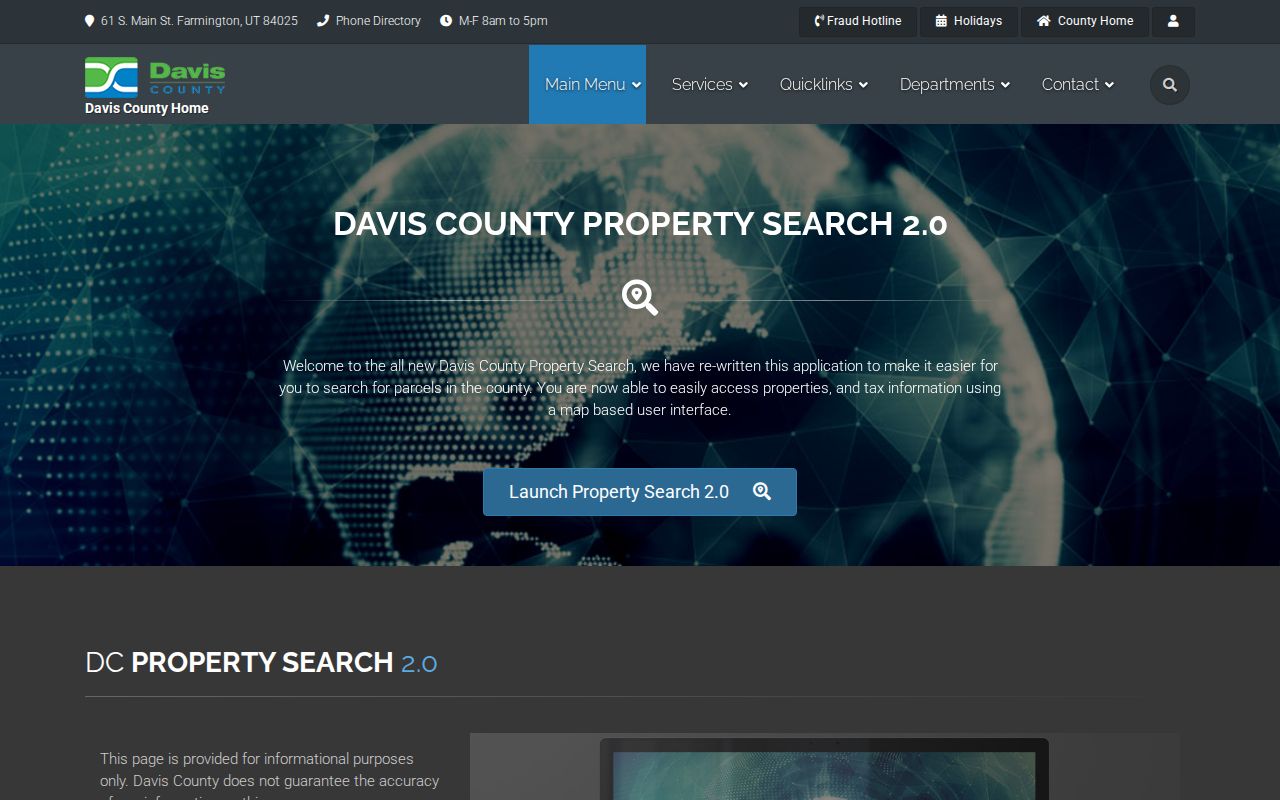
The map helps select the right parcel, but it is not a survey and does not settle title. Save the serial, then compare the detail with recorded instruments.
Note: Primary classification and a matching mailing address support a residence link, but neither one proves who now occupies the Syracuse property.
Syracuse Recorder Searches Go Deeper
The Davis County Recorder search guide identifies owner name, address, parcel or serial number, and document entry number as routes into the land records.
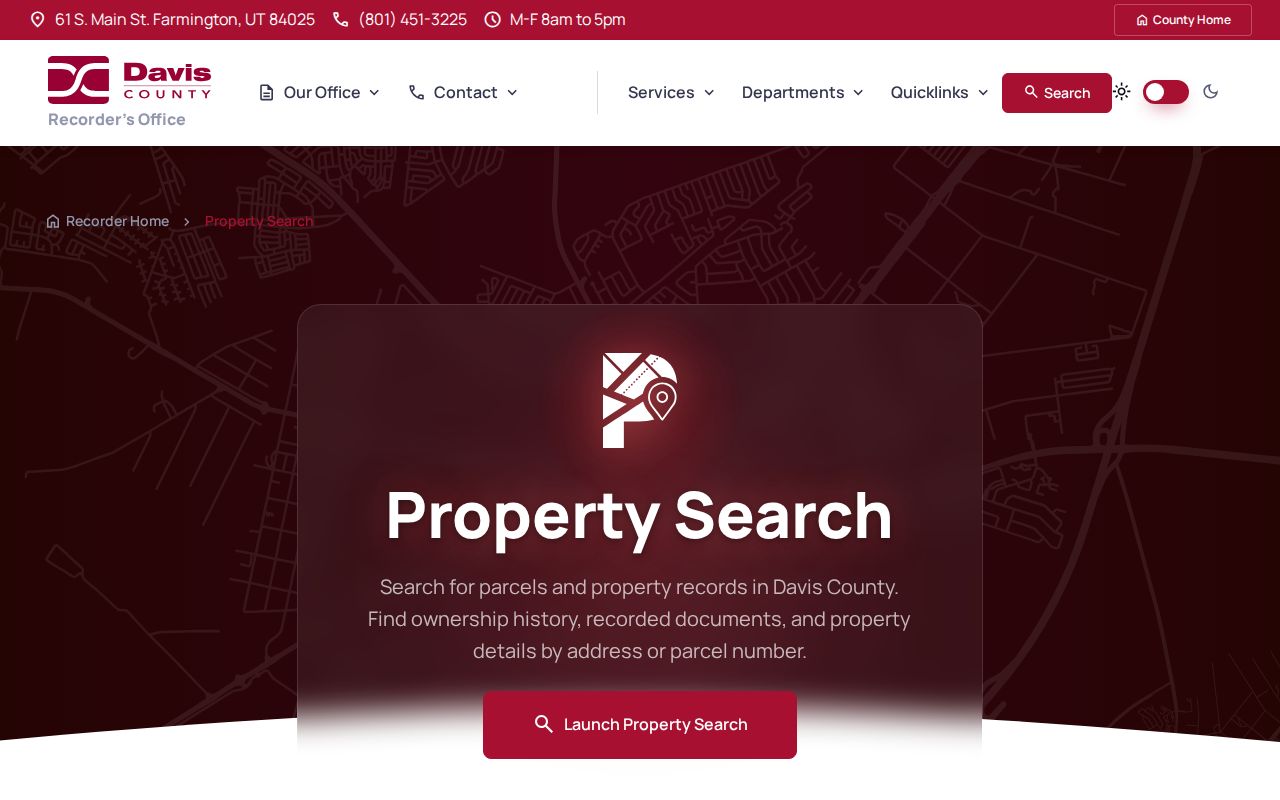
This second view matters when the free parcel screen supplies an entry number but the underlying abstract or image must be opened through REDI-Web, a public terminal, or the recorder counter.
| Search input | Best use | Next record |
|---|---|---|
| Owner name | Find a current or prior Syracuse ownership link | Deed and mailing address |
| Property address | Identify parcel and current roll entry | Ownership history |
| Parcel or serial | Join tax, map, and recorder references | Legal description and plat |
| Entry number | Open a known recorded instrument | Abstract, image, or counter copy |
Syracuse Address Records Build Connections
A Syracuse street address can connect a person to more than one official file. First find the parcel and distinguish the situs from the mailing address. Then follow the owner history and deed entries backward or forward. A trust or company name may hide the individual from a simple owner search, so business-principal records and the recorded instrument can supply the next link. Building and code records may add an applicant, contractor, inspection date, or status when the owner roll alone is not enough.
Grid directions are significant in Syracuse. Preserve West and South, test standard street suffixes, and use ZIP 84075 only as a starting aid. The parcel map, not the postal label, decides the local jurisdiction. For a historic occupant who never owned the land, combine the ownership date with census, school, newspaper, and directory sources.
- Situs
- The physical location of the land or building.
- Parcel serial
- The county identifier that links map, tax, and land records.
- Grantor and grantee
- The party conveying an interest and the party receiving it.
- Plat
- A recorded map showing subdivision lots, blocks, and boundaries.
Syracuse Court Record Search
Syracuse Justice Court handles city ordinance cases, traffic, infractions, class B and C misdemeanors, and small claims within its limit. Utah Second District Court in Farmington covers general civil cases, felonies, class A misdemeanors, divorce, and probate for Davis County. Utah Courts Xchange combines public district and justice summary records, although each justice court adopted the electronic system on its own schedule.
The Utah Xchange court search accepts a party name, case number, court scope, case type, date range, and other filters.
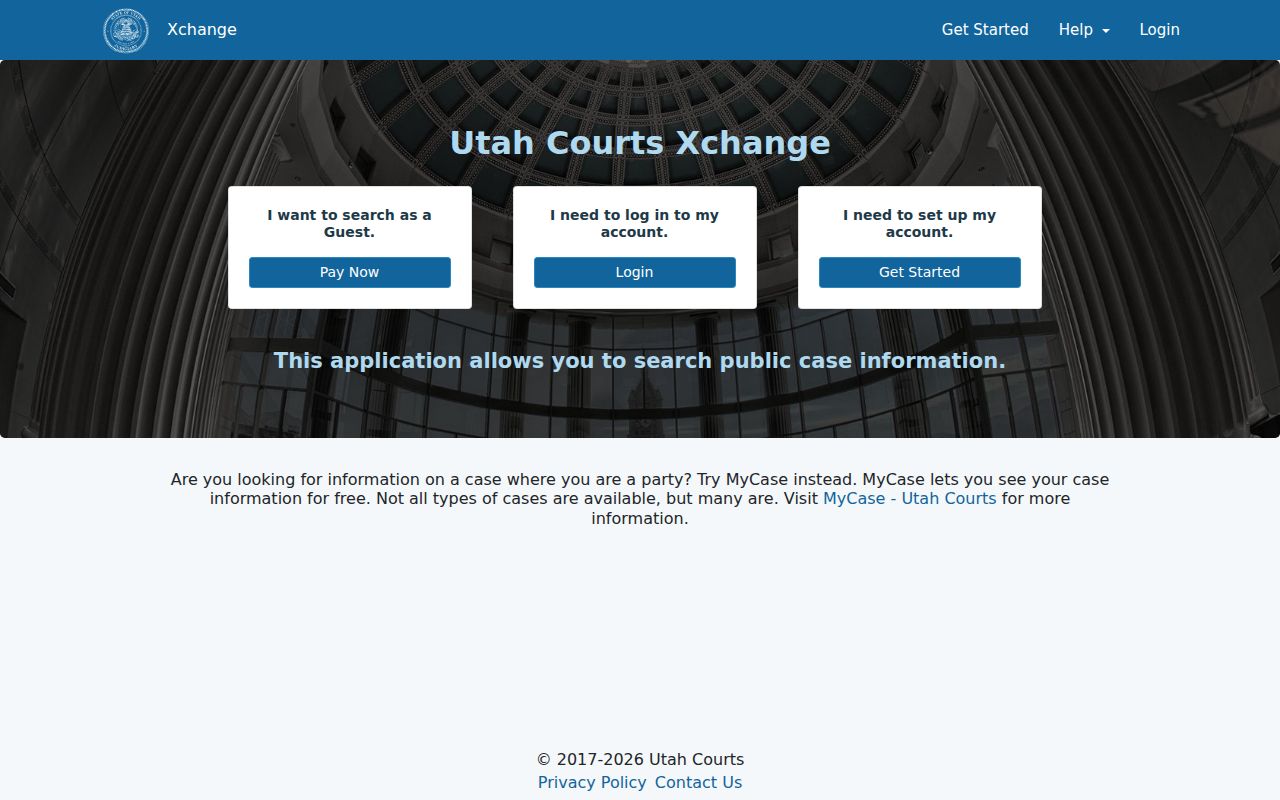
A result can identify the court, case number, filing date, party role, judge, events, hearings, judgments, and available documents. Search an asterisk after a first name to catch middle initials and variants. Narrow broad matches because results stop at 500.
| Record source | Syracuse coverage | Name access | Fallback |
|---|---|---|---|
| Second District Court | Civil, felony, divorce, probate | Paid Xchange web search | Free courthouse terminal or clerk |
| Syracuse Justice Court | Local lower-level and small-claims cases | Xchange public summary | Local clerk and case file |
| District of Utah | Federal cases | PACER account search | Federal clerk |
Sealed and expunged cases, juvenile matters, adoptions, and many sensitive filings do not appear as ordinary public results. Most district courts have complete CORIS summaries from the end of 1998, and public electronic district documents generally begin July 1, 2010. Free Xchange terminals at most district courthouses and the Utah State Law Library provide an alternative to paid web use.
Syracuse Probate Records Connect Heirs
Probate creates a useful family trail when a Syracuse owner has died. Search Xchange for the decedent, then note the case number, petitioner, personal representative, heirs, orders, and letters of appointment that remain public. An obituary may name survivors. A later deed can show who received or conveyed the property. Together, the court docket, family notice, and successor deed can connect people whose current contact details never appear in one source.
Older cases take a different route. Davis Probate Court record books from 1856 through 1897 are digitized, while some minute books are not shown online. Probate became district-court work at statehood in 1896. Search older material by the creating court and Davis County, then ask Utah Archives for the series when a web name search fails. Adoption entries and protected papers may remain restricted even inside a largely public series.
Note: A probate party role can suggest a family or legal tie, but the filed order and deed establish what happened.
Syracuse Vital Records and Family Lines
Utah’s Office of Vital Records and Statistics and local health departments issue birth, death, marriage, and divorce certificates. Newer records require valid identification plus a qualified family relationship, guardianship, or legal need under Utah Code section 26B-8-125. Birth records become public after 100 years, death records after 50, and marriage and divorce records after 75. Historical public material then shifts toward Utah Archives and genealogy access.
The Utah marriage and divorce certificate application supports mail requests, while the state also accepts eligible certificate orders online and through local health departments. Applications need the complete form, fee, identification, and proof of relationship when required. State guidance says to allow at least six weeks. Utah statewide birth and death certificates cover 1905 forward, but state marriage and divorce abstracts cover only 1978 through 2010.
Do not treat a certificate abstract, court decree, clerk marriage result, and archive scan as the same product. A divorce decree comes from the court. A marriage outside the state abstract years goes to the Davis County Clerk, while an out-of-range divorce goes to the district court. Earlier Syracuse family events may require church, cemetery, land, probate, and newspaper evidence.
Syracuse Marriage Search Restores Names
A prior or maiden name can unlock an otherwise stalled Syracuse search. The Davis County marriage index accepts first name and last or maiden name. Marriage applications gather far more detail, including current and birth names, addresses, birthplace, parents, and prior-divorce information, but not every application field is public. Start with the public index, record both spouses and the event date, then request the appropriate clerk copy.
Marriage evidence can bridge a school yearbook name to a later deed, court case, obituary, or business filing. Search both orders of the spouses’ names and preserve the spelling shown by the clerk. If the event falls within 1978 through 2010, the state may issue an abstract to a qualified requester. For events outside that range, the Davis County Clerk is the direct route.
Note: A marriage index can restore a prior name, while the clerk copy supplies the official record needed to verify that link.
Syracuse Land Records Span Eras
Davis County’s record history gives Syracuse land searches three eras. The Recorder dates the office to 1850, identifies historical land books from 1870, and marks computerization and microfilming in 1981. The exact record-by-record online image cutoff is not published. A modern name search may therefore stop before the ownership trail does.
- 1850: The recorder office began. Early county records may require books or a transferred archive series, searched by party and legal description.
- 1870: The office’s identified historical land-book run begins. Use grantor, grantee, book, page, and counter help.
- 1981: Computerization and microfilming mark the modern era. Search by owner, parcel serial, or document entry number.
Property Search is free, while richer REDI-Web abstracts and images require subscription access. The public counter remains the key fallback. Recorder staff can help locate a record but will not perform a title search or give legal advice. A recorded deed or lien gives notice; recording alone does not prove that the claim is valid.
Syracuse Library and Museum Searches
Davis County Library is the first local stop for Syracuse histories, newspapers, yearbooks, and licensed research databases. Its confirmed digital newspaper run is the Davis County Clipper from 1892 through 1992. Farmington is the only branch that expressly advertises a microfilm reader. Exact holdings for Syracuse city, telephone, Polk, or reverse directories are not published, so ask a librarian for a shelf check by title and year rather than assuming coverage.
The Syracuse Regional Museum adds a pioneer-descendant family-history index, oral histories, a rare and historic book catalog, and material on early citizens. Its collection holds more than 5,000 artifacts and reaches local agriculture, transportation, religion, military life, and audiovisual records. Search older place terms such as lower Syracuse, the Bench, the Bluff, South Hooper, and Kaysville-South Hooper.
The Utah Archives records gateway is the next route for transferred court, vital, county, and government series. Search by creating agency, series, and date. A FamilySearch collection of Davis County Clerk and Recorder originals spans 1869 through 1953, though image access may require a sign-in or an affiliated location. More directory-specific routes appear with Syracuse people directories.
Syracuse Business and License Lookups
A business name can reveal the people formally tied to a Syracuse operation. Utah’s entity search reports entity name, number, type, status, registered agent, address, principals, and filing history. The Registered Principal Search is useful when the person’s name is known first. Assumed names are state registration types, so do not assume a separate Davis County DBA index. A registered agent is a filing contact and is not proof of ownership.
The Utah business entity search supplies the official corporate and assumed-name route.
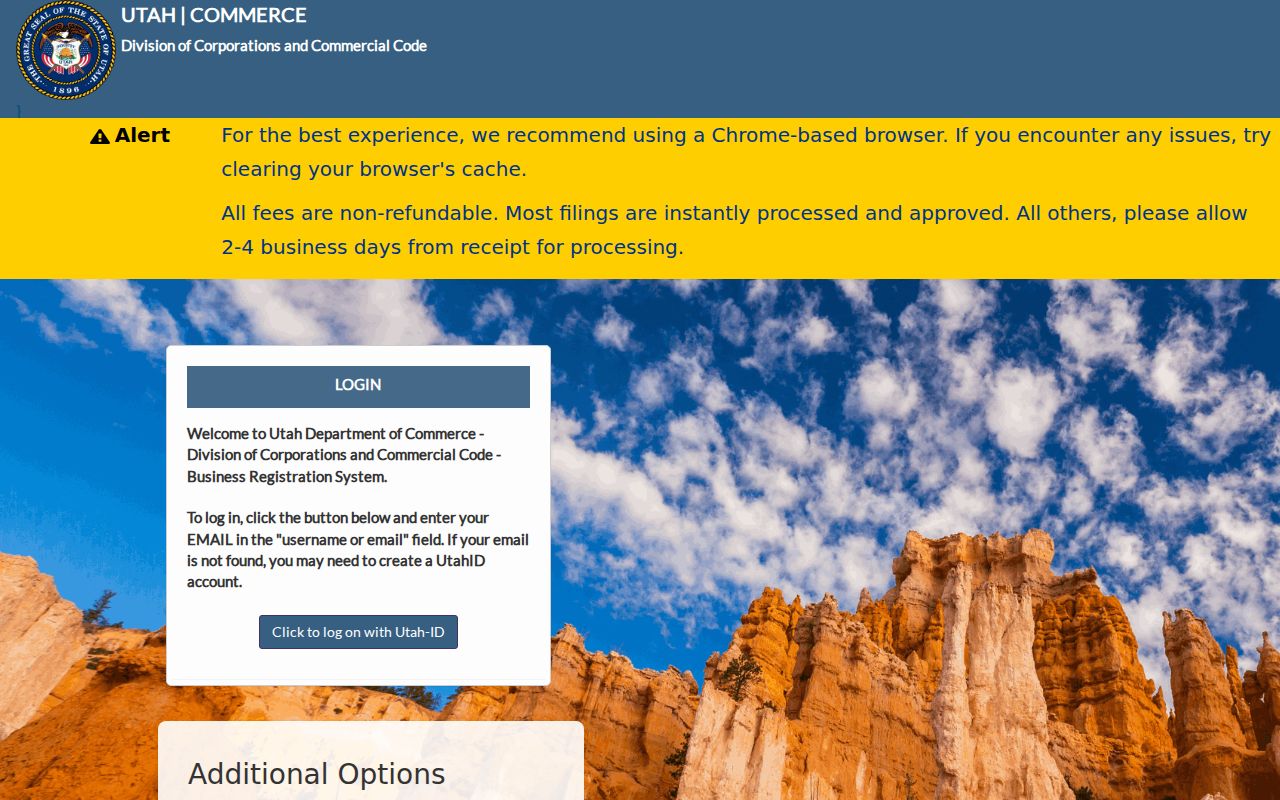
Use status and filing history to place the relationship in time, then compare the name and address with city license or permit records obtained through the Syracuse recorder.
Syracuse License Records Verify Status
The Utah professional license lookup checks a person by name and profession or by license number.
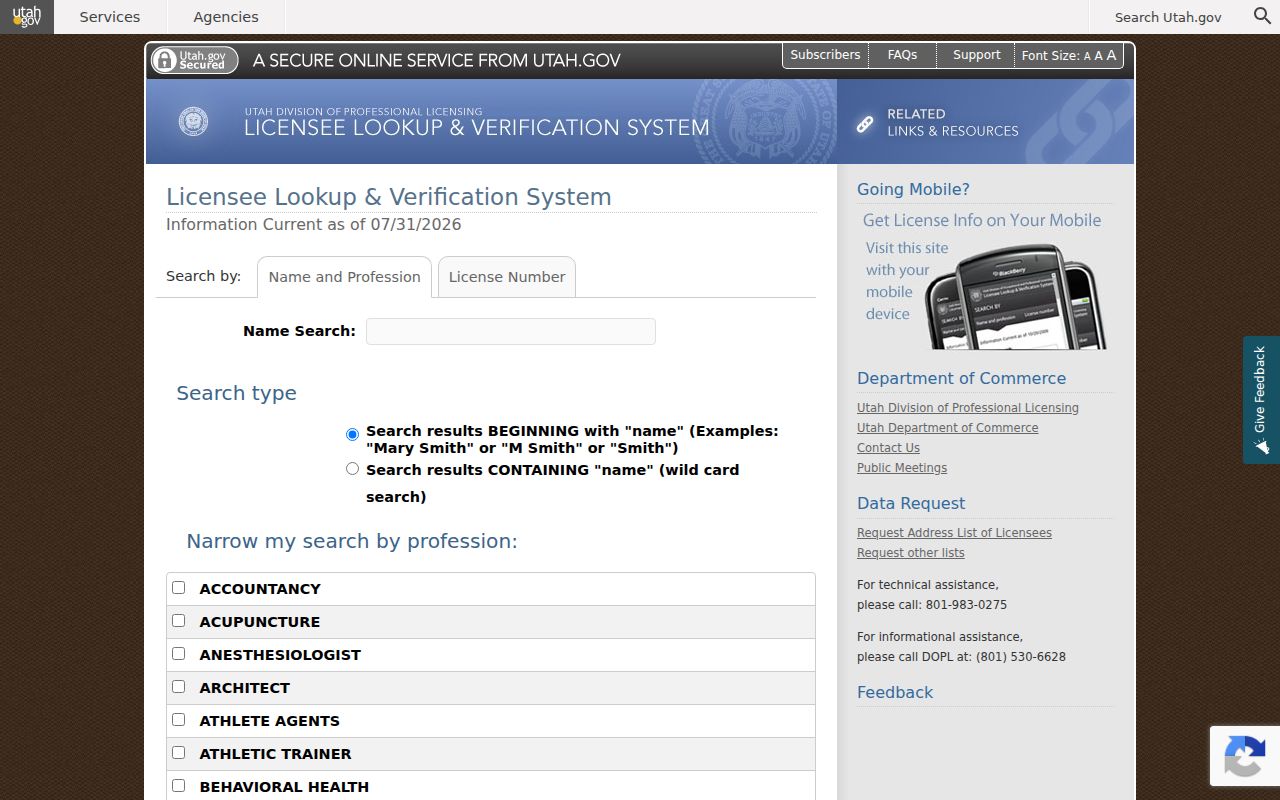
A DOPL result can confirm profession, license number, status, issue or expiration details, and published discipline. Try beginning-with and contains options plus name variants. A miss or wrong profession choice does not prove the person was never licensed.
Note: The opt-in Construction Business Registry is narrower than DOPL, so use the primary license search when a Syracuse name does not appear there.
Syracuse Custody and Safety Records
Current custody searches require separate systems. The Davis County jail roster lists current county bookings with booking date, name, gender code, age, and an inmate-detail link. It is not a conviction record, and the county withholds exact release dates and times for safety. Utah Department of Corrections searches current incarceration, probation, or parole supervision by name or UDC number. A miss there says nothing about county pretrial custody.
The Utah offender registry is a third system with its own statutory scope and warning against harassment, stalking, or threats. VINE can provide free and anonymous custody notifications by phone or email, but Corrections warns that no notification service should be the only part of a safety plan. For a police report, send a written Syracuse GRAMA request and expect identification or a notarized release when seeking subject or client material. Investigatory and victim information may be classified as private or protected.
When Syracuse Online Records Stop
No portal contains every Syracuse name trail. Official online systems can omit older books, protected fields, sealed cases, current documents awaiting update, or records kept only by a local office. Start with the free index. Save the record number, parcel serial, case number, date, agency, and spelling shown. Then ask whether the missing item is on a public terminal, in REDI-Web, with a clerk, on microfilm, or in an archive series.
Use GRAMA for identifiable existing city or county records, not for broad questions. A request should give contact details and a reasonably specific description. Utah’s ordinary response deadline is no later than ten business days, or five when the request primarily benefits the public. Inspection is generally free. Production may carry actual costs, and fees above $50 may be required in advance. A denial should identify the withheld record, legal basis, and appeal route.
| Access route | Cost pattern | Best use |
|---|---|---|
| Free official index | Usually no charge | Find a parcel, name, case, or filing reference |
| Public terminal | Free search; copies may cost | Xchange or recorder material without web fees |
| Written records request | Actual production costs may apply | Known municipal or county file not posted |
| Paid official service | Search, document, or subscription fee | Court documents or land-record images |
Commercial compilations may merge people or carry stale contact data. Treat them as leads only. For Syracuse family, property, court, and civic research, the final check belongs with the named custodian and the source record.